
Understanding the Philosophy of Minimalist Budget Travel
The Core Principles of Minimalism
Minimalism is a lifestyle choice that emphasizes simplicity, intentionality, and the reduction of excess. At its core, it encourages individuals to focus on what truly matters, removing distractions and unnecessary possessions. In the context of travel, this philosophy translates to a streamlined approach that prioritizes experiences over material goods. Minimalist budget travel embodies the idea that enriching experiences can be attained without extravagance, advocating for a mindset that cherishes quality over quantity.
How Minimalism Transforms Travel Experiences
Adopting a minimalist travel philosophy can significantly alter the way you experience new destinations. By shedding the weight of excess baggage—both literal and metaphorical—travelers can immerse themselves in their surroundings more fully. For instance, instead of spending time worrying about multiple suitcases, one can focus on exploring local culture, engaging with residents, and appreciating the beauty of simplicity in unfamiliar settings. This approach fosters a deeper connection with the places visited, allowing for spontaneous adventures that may be overlooked when burdened by material possessions.
Balancing Budget Constraints with Quality Experiences
Minimalist budget travel inherently involves making choices that maximize both enjoyment and savings. For example, instead of opting for luxury hotels, minimalist travelers might choose quaint hostels, guesthouses, or even home exchanges, which not only cut costs but also offer unique insights into local living. Budget constraints can lead to creative solutions such as cooking meals instead of dining out, thereby allowing for more authentic culinary experiences while saving money. Striking a balance between financial limitations and enriching experiences is key to successful minimalist travel.
Preparing for a Minimalist Travel Adventure
Decluttering Your Packing List
Before embarking on your minimalist travel journey, it’s essential to declutter your packing list. This process begins with evaluating what you genuinely need versus what you want. A good rule of thumb is to follow the “one in, one out” principle: for every item you consider bringing, ask yourself if it serves a specific purpose or enhances your travel experience.
Consider creating a packing list that includes:
- Multi-functional clothing items (e.g., a jacket that can also serve as a pillow).
- Travel-sized toiletries or solid alternatives to minimize space.
- Essential electronics (like a smartphone with offline maps) rather than bulkier devices.
By being intentional about what you pack, you can significantly lighten your load and simplify your travel experience.
Budgeting for Essential Expenses
Effective budgeting is crucial for minimalist budget travel. Begin by determining your overall travel budget, including transportation, accommodation, food, and activities. A sample budget breakdown might look like this:
- Transportation: 30%
- Accommodation: 30%
- Food: 20%
- Activities: 10%
- Miscellaneous: 10%
This framework allows for flexibility while ensuring that you cover all necessary expenses. Use budgeting apps like Trail Wallet or TravelMapper to track your spending in real time, making adjustments as needed to stay within your budget.
Choosing Destinations that Align with Minimalist Values
When selecting travel destinations, consider those that resonate with a minimalist ethos, characterized by natural beauty, cultural richness, or a slower pace of life. Cities like Lisbon in Portugal, known for its walkability and affordable local cuisine, or Bali, which offers serene beaches and a focus on wellness, exemplify minimalist-friendly environments. Additionally, rural areas, national parks, and smaller towns often provide opportunities for meaningful interaction with nature and locals without the overwhelming distractions of urban settings.
Traveling Light: Tips for Minimalist Packing
Essential Gear for Minimalist Travelers
Traveling light is a hallmark of minimalist travel, and choosing the right gear is vital. Here are some essential items that every minimalist traveler should consider:
- Backpack: A 40-50 liter backpack is sufficient for most trips, ensuring you have enough space for essentials without overpacking.
- Travel Compression Bags: These can help maximize space and keep clothing organized.
- Portable Water Bottle: Staying hydrated is crucial, and a reusable bottle reduces plastic waste.
Clothing Choices for Versatility and Comfort
When it comes to clothing, opt for versatile pieces that can be mixed and matched. The Capsule Wardrobe concept works well here, where you select a limited number of clothing items that can create various outfits. For example:
- Two pairs of pants (one lightweight, one durable).
- Three tops (two casual and one dressy).
- A light sweater or jacket.
- Comfortable shoes that can serve both casual and semi-formal purposes.
This strategy not only minimizes packing but also ensures you have appropriate attire for different occasions.
Technology and Tools to Enhance Your Journey
While minimalism often encourages reducing technology, certain tools can enhance your travel experience without adding clutter. Consider these:
- Smartphone: A multi-functional device that can serve as your camera, map, and communication tool.
- Portable Charger: Essential for keeping your devices powered on the go.
- Travel Apps: Download apps like Google Maps for navigation, TripIt for itinerary organization, and Meetup for local events.
Experiencing Local Culture on a Budget
Engaging with Local Communities
One of the most rewarding aspects of minimalist budget travel is the opportunity to engage with local communities. This can be achieved through:
- Staying in hostels or guesthouses that encourage interaction.
- Participating in community events or festivals that are often low-cost or free.
- Volunteering with local organizations, which can provide a unique perspective on the culture.
For example, platforms like Workaway or HelpX connect travelers with hosts offering room and board in exchange for volunteer work, allowing for immersive cultural experiences.
Finding Affordable, Authentic Dining Options
Food is a key part of experiencing any culture, and you don't have to spend a fortune to enjoy it. Look for:
- Street food vendors or local markets that offer authentic dishes at lower prices.
- Community kitchens or potluck gatherings that foster local interaction.
- Apps like Yelp or TripAdvisor to find hidden gems recommended by locals.
For instance, in Bangkok, the street food scene offers delicious meals for as little as $1, allowing you to indulge in culinary delights without breaking the bank.
Free and Low-Cost Cultural Activities
Exploring cultural activities doesn't need to be expensive. Many cities offer a range of free or low-cost options, such as:
- Free walking tours that provide insight into local history and culture.
- Public parks, museums on certain days, or art galleries that showcase local artists.
- Community events like outdoor concerts or festivals that are open to the public.
For example, in Paris, many museums offer free entry on the first Sunday of each month, providing an excellent opportunity to experience art without the cost.
Reflecting on Your Minimalist Travel Journey
Documenting Your Experiences Mindfully
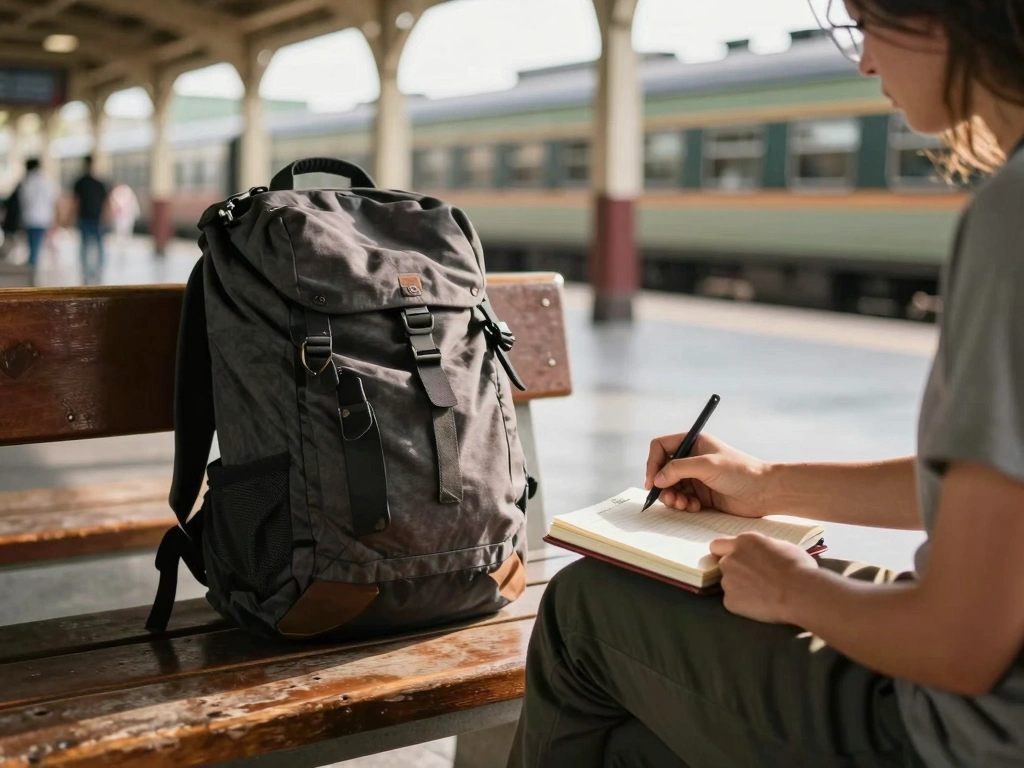
As your trip concludes, take time to document your experiences. This can be done through journaling, photography, or even creating a blog. The act of reflection helps to solidify memories and allows you to appreciate the simplicity and richness of your travel experience. Consider keeping a travel journal where you jot down thoughts, feelings, and lessons learned, making it a cherished keepsake that captures your journey.
Lessons Learned from Minimalist Travel
Minimalist travel often leads to powerful realizations about what is truly important. Many travelers report feeling liberated by the reduction of material possessions, discovering that happiness stems from experiences rather than things. Reflecting on these lessons can inspire changes in your everyday life, such as decluttering your living space or prioritizing experiences over possessions.
Incorporating Minimalist Philosophy into Everyday Life Post-Travel
The minimalist philosophy can extend beyond travel into your daily routine. Consider implementing practices such as:
- Regular decluttering sessions to maintain a tidy living space.
- Mindful consumption habits, focusing on quality rather than quantity in purchases.
- Prioritizing experiences, such as spending time with loved ones or engaging in hobbies that bring joy.
By integrating these principles into your life, you can maintain the clarity and focus gained through minimalist travel, creating a more intentional and fulfilling lifestyle.